Winter in western Kentucky is rarely a steady blanket of snow. More often it is a mess: a little freezing rain overnight, a glaze on the porch steps, slush that melts in the afternoon sun and freezes again after dark. That thin, hard-to-see ice is exactly what sends people to the emergency room with broken wrists, hips and head injuries. Today, let’s talk about the few feet of concrete between your front door and your car.
Why a Simple Fall Matters
A slip on the ice can happen to anyone, but the stakes climb with age. According to the CDC, more than one out of four adults age 65 and older falls each year, and falling once doubles the chance of falling again. Falls are the most common cause of traumatic brain injuries in older adults, and the CDC reports that falls cause the large majority of hip fractures. Many people who fall, even without being hurt, become afraid of falling and cut back on activity, which can leave them weaker and more likely to fall later.
Know When the Ground Is Most Dangerous
Ice tends to be at its worst at a few predictable times:
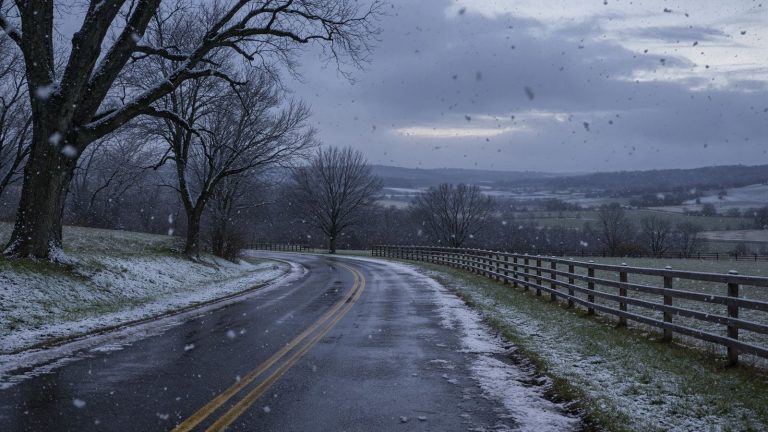
- During and after freezing rain or drizzle. Rain that freezes on contact can coat steps, decks and driveways in a clear glaze that looks merely wet.
- Early morning and after sunset. Snow and slush that melted during the day can refreeze once the sun goes down. Shaded spots, north-facing steps and the area under a dripping gutter often stay icy longest.
- Wet-looking dark patches. Fall-prevention guidance from health agencies advises treating any dark, wet-looking area on pavement as if it could be ice, and walking around it when you can.
When a Winter Weather Advisory or Ice Storm Warning is in the forecast, that is your cue to get supplies ready before the ice arrives, not after.
Walk Like a Penguin
Hospitals and safety programs across North America teach a simple idea for crossing ice you cannot avoid: walk like a penguin. It sounds silly, and kids love it, but it works by keeping your weight over your feet and cutting down the time you spend balanced on one leg.
- Take short, slow, shuffling steps. Walk flat-footed rather than striding out heel first.
- Point your feet slightly outward for a wider base, and bend your knees a little to lower your center of gravity.
- Keep your hands out of your pockets. Wear gloves so your arms are free to help you balance, the way a penguin uses its wings.
- Keep your hands free in general. Carry less, use a backpack if you need to, and put the phone away while you walk.
- Use handrails on steps and ramps every time, and hold the car door or frame for support when getting in and out of a vehicle.
- Do not rush. Leaving a few minutes early is one of the easiest ways to avoid a fall.
Dress Your Feet for the Job
Footwear makes a big difference. Choose boots or shoes with a wide, non-slip rubber sole and good tread, and skip smooth leather soles and heels on icy days. Slip-on ice cleats or traction devices add grip outdoors, but take them off before walking on smooth indoor floors, where they can make you slip. If someone in your family uses a cane, an ice tip for the cane is worth looking into.
Make Your Steps and Walkway Safer
Most winter falls around the house happen on the porch, steps, sidewalk and driveway. A few habits help:
- Clear snow early, before it gets packed down and turns to ice.
- Keep your shovel and ice melt just inside the door so you are not walking across ice to reach them.
- Pick the right ice melt for the temperature. Ordinary rock salt (sodium chloride) works well near freezing but slows down sharply as the pavement gets colder, and state and municipal winter-maintenance guidance lists about 15°F pavement temperature as its practical limit. Calcium chloride and magnesium chloride keep working at much colder temperatures. Read the bag, and remember it is the pavement temperature that matters, not the air.
- Use sand or grit for traction. Sand does not melt ice, but it gives your boots something to grip, and it works at any temperature.
- Use only what you need. More salt is not better. Excess salt can damage concrete, plants and metal, and it washes into creeks and streams.
- Fix drips and lights. A leaky gutter over the steps can build an ice patch every night, and good outdoor lighting helps you see trouble spots after dark.
Go Easy on the Shovel
Clearing the walk is good prevention, but it is hard work. The American Heart Association warns that the exertion of shoveling snow, especially in cold air, can raise the risk of a heart attack or sudden cardiac arrest, particularly for people who are not used to regular exercise or who have heart disease or risk factors such as high blood pressure, diabetes or a history of smoking. If that describes you, the AHA’s advice is to have someone else do the shoveling.
If you do shovel, start slowly, take frequent breaks, and push or sweep the snow rather than lifting and throwing it. Stop right away if you feel chest pain or pressure, lightheadedness or an irregular heartbeat, and call 911 if those symptoms do not go away shortly after you stop.
Don’t Forget the Dog
Pets can slip on ice too, and older or arthritic dogs have a harder time on slick ground. Ice melt is also a concern for paws. The American Veterinary Medical Association suggests wiping your dog’s feet, legs and belly after walks to remove de-icers and other chemicals before they can be licked off, checking paws for cracks or irritation, and considering pet-safe products on your own property. Sand or kitty litter can add traction where you would rather not use salt.
A Job for the Whole Family
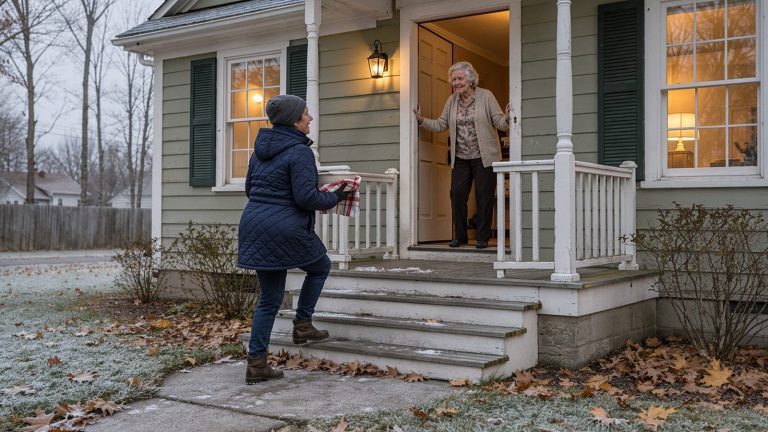
This is a great place for younger family members to pitch in. A teenager who clears and sands a grandparent’s steps before an ice storm, or simply walks beside them to the mailbox, may prevent an injury that changes someone’s whole winter. Check on older neighbors, too. Most folks are glad to help and just need to be asked.
When ice is in the forecast, David, Mark and the Weather & Wisdom team will let you know. Your part is to have the shovel, the ice melt and the sand ready, slow down, and walk like a penguin. Stay safe and stay on your feet this winter.
Comments
No comments yet. Start the conversation!