
Thanksgiving week has a way of slowing us down. The table fills up, the kitchen gets loud, and for a few days most of us are surrounded by people. But just down the road, or across the street, there may be someone who is spending the holiday mostly alone, and who will spend a good many cold winter days the same way.
Here in Hopkinsville and across western Kentucky, checking on neighbors is an old habit. A knock on the door, a plate of leftovers, a quick “You doing all right?” This year, as the calendar turns toward winter, it is worth turning that habit into something a little more intentional, especially for the older folks on your street.
Why Winter Is Harder on Older Adults
This is not just about being neighborly. According to the National Institute on Aging, older adults are more likely to be affected by cold weather, and the changes that come with aging can make it harder for a person to notice that their body is getting too cold. Chronic health conditions and some medicines, including certain over-the-counter cold remedies, can weaken the body’s response to cold.
The serious danger is hypothermia, which the NIA describes as a medical emergency that happens when the body’s core temperature drops below 95°F. It does not take a blizzard. The NIA notes that even a mildly cool house, in the range of 60 to 65 degrees, can lead to hypothermia in older adults, and it recommends keeping the heat set to at least 68 degrees.
That matters in a season when heating bills climb and some people are tempted to turn the thermostat way down to save money, or to get by with a single room heater. Falls on icy steps and porches are another winter risk, and so is simple isolation: when the weather turns ugly, many older adults just stay in, sometimes for days.
What a Good Check-In Looks Like
A check-in does not have to be awkward or nosy. Most of the time it is just a visit. But it helps to keep your eyes open while you are there. A few things worth noticing:
- How warm is the house? If you walk in and keep your coat on, it may be too cold. Ask, kindly, whether the furnace is working and whether they are worried about the bill.
- How are they acting? The NIA lists early warning signs of hypothermia that include cold hands and feet, a puffy or swollen face, pale skin, shivering, slowed or slurred speech, and acting sleepy, angry or confused.
- Is there food in the house? Eating enough helps the body stay warm. A full pantry before a cold snap means one less reason to get out on slick roads.
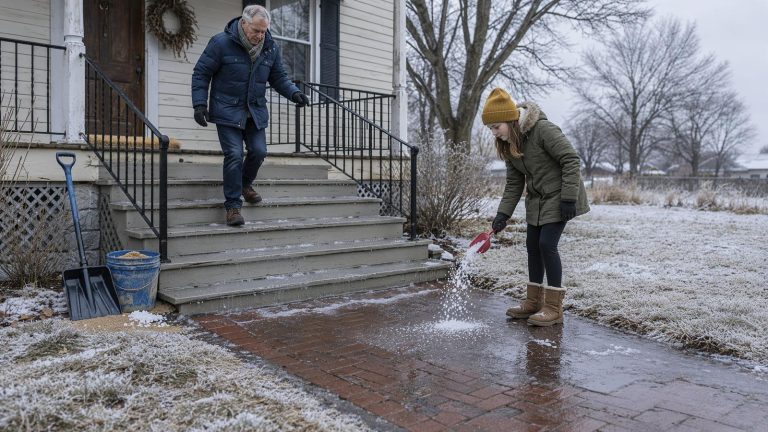
- Are the steps and walkway safe? Look for loose railings, dark porches and spots where water puddles and freezes.
- Do they have a way to get help? A charged phone within reach, important numbers written down, and someone who knows to call if they do not hear from them.
If someone shows signs of hypothermia, the NIA’s advice is clear: call 911 right away. Then help move the person to a warmer place if you can, offer a warm drink, and wrap them in dry blankets, towels or coats. Do not use a heating pad, rub their arms and legs, or try to warm them in a bath.
Small Things That Make a Big Difference
You do not have to be a caregiver to help. Some of the most useful things neighbors do are small:
- Trade phone numbers. Agree on a simple routine, like a call or text each morning during a cold snap, or a porch light that goes on when they are up and about.
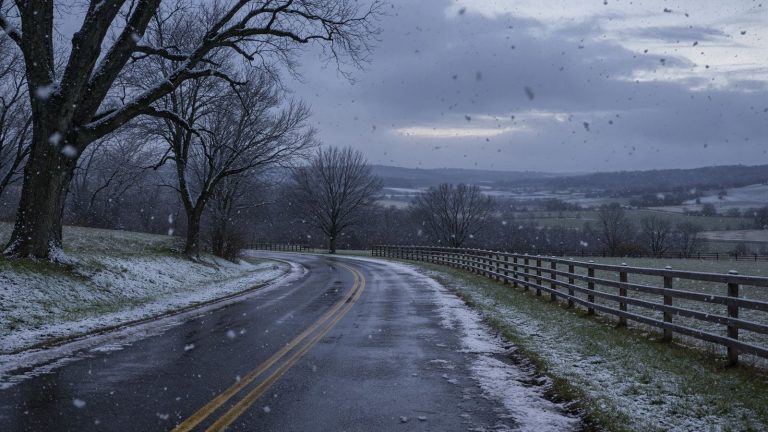
- Share the forecast. When Weather & Wisdom or the National Weather Service is talking about a hard freeze, ice or a winter storm, pass it along. Not everyone is watching the weather as closely as you are.
- Offer to run errands before bad weather. Groceries, prescriptions and pet food picked up a day early can keep an older neighbor off icy roads.
- Help with the heavy jobs. Carrying in firewood, putting salt or sand on the steps, changing a furnace filter or a smoke and carbon monoxide alarm battery that is hard to reach.
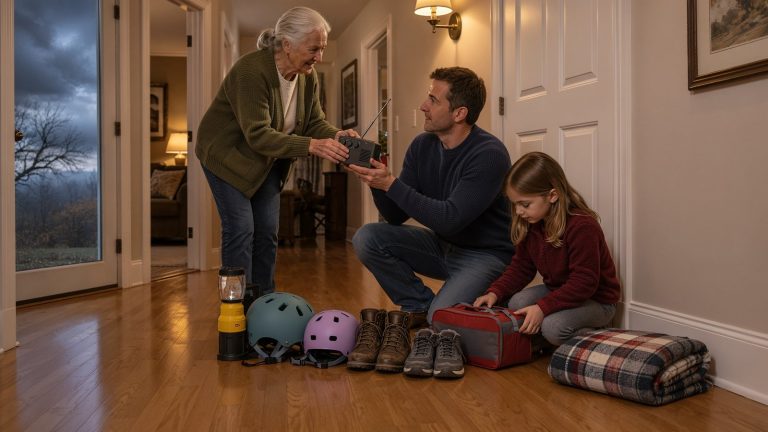
- Make a plan for a power outage. Talk ahead of time about where they would go if the heat goes out. The NIA suggests staying with a relative or friend if an outage leaves a home without heat.
- Just visit. Loneliness is real, and long winter evenings can feel even longer. A cup of coffee and a half hour of conversation counts.
Help Paying for Heat
If a neighbor is struggling with heating costs, Kentucky has help. The Low Income Home Energy Assistance Program, known as LIHEAP, is run through local Community Action agencies that serve all 120 Kentucky counties. For the 2026 fall subsidy, Kentucky’s Community Action agencies began taking applications on November 9, and applications are accepted through December 18 or until funds run out, on a first-come, first-served basis. Households must meet income guidelines, and applicants are asked to bring documents such as proof of income and a current heating bill.
A separate crisis component, for households facing a heating emergency, typically opens after the first of the year. To find the office serving your county, contact Community Action Kentucky at 1-800-456-3452 or visit capky.org. Offering to drive a neighbor to an appointment, or helping gather their paperwork, can be the push that gets the application done.
Respect Goes a Long Way
Many older Kentuckians have taken care of themselves, and other people, their whole lives. Nobody wants to feel like a project. The best check-ins feel like friendship, not inspection. Ask instead of telling. Offer instead of insisting. And let them help you, too; plenty of older neighbors have a lifetime of wisdom about weathering hard winters, and they are glad to share it.
Start This Week
Thanksgiving is a natural time to begin. If you are cooking anyway, fix an extra plate. If you are heading out for the holiday, knock on a door on your way. Swap phone numbers. Mention that you will check in when the weather turns. Then follow through when that first real cold snap rolls into western Kentucky.
Gratitude is a good feeling at the Thanksgiving table. It is even better when it walks next door. From all of us at Weather & Wisdom, have a safe, warm and happy Thanksgiving, and look out for each other this winter.
Comments
No comments yet. Start the conversation!