Weather & Wisdom
Forecast with Foresight
Loading…
Skip to content

Why Fog Loves Calm November Mornings: Temperature Inversions Explained
Why do western Kentucky's valleys fill with fog on clear, calm mornings, and why does it vanish by midmorning? Here's how radiation fog and…Read moreWeather 101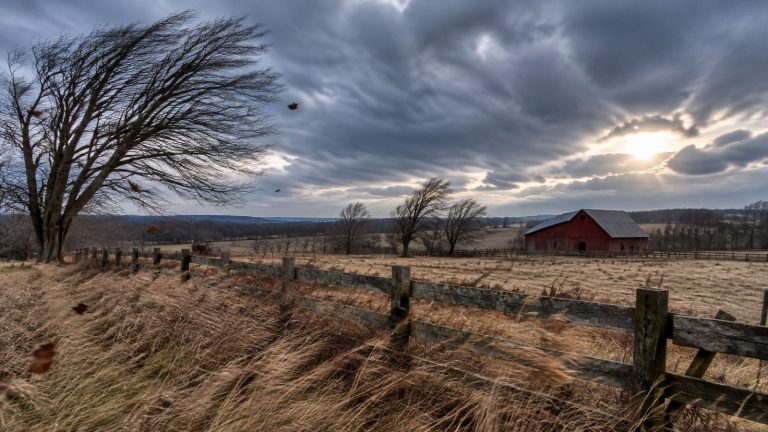
Wind Chill Explained: Why 30 Degrees Can Feel Like 17
The thermometer says 30, but a north wind makes it feel much colder. Here is what wind chill really measures, what it can and…Read moreWeather 101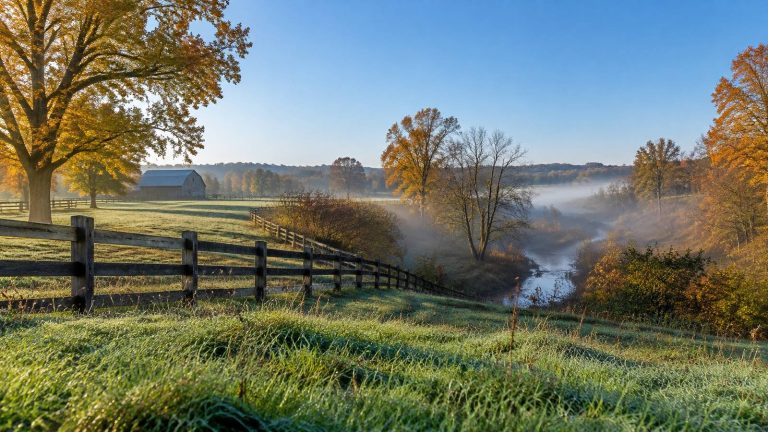
Dew Point vs. Relative Humidity: Why 45 Degrees Can Feel Clammy or Crisp
Relative humidity alone can fool you. Here is why meteorologists watch dew point, how the two numbers differ, and what they mean for western…Read moreWeather 101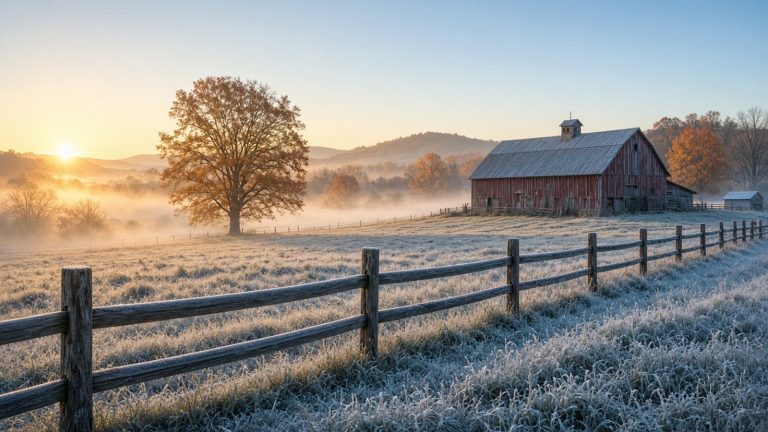
Frost vs. Freeze: Why Your Yard Turns White When the Thermometer Reads 35
Frost and freeze are not the same thing. Here is why frost can coat the grass when the thermometer reads above 32, what the…Read moreWeather 101
Barometric Pressure Explained: What Rising and Falling Pressure Tell You About the Weather
Air has weight, and the changes in that weight drive our weather. Learn what barometric pressure is, how barometers work, what highs and lows…Read moreWeather 101
How Weather Forecasts Are Made: From Balloons and Satellites to Computer Models
Every forecast starts with millions of observations and ends with a human judgment. Learn how weather data is collected, how computer models simulate the…Read moreWeather 101
Humidity vs. Dew Point: Why the Mid-South Feels So Muggy
Relative humidity can be misleading, which is why many meteorologists prefer the dew point when describing how muggy it feels. Learn what each number…Read moreWeather 101
The Jet Stream Explained: The River of Wind That Steers Our Weather
Miles above our heads, a fast-moving river of air shapes nearly everything about our weather. Learn what the jet stream is, why it bends…Read moreWeather 101
Weather Fronts and Air Masses: The Battle Lines That Shape Our Weather
Those blue and red lines on the weather map are battle lines between air masses. Learn the different air masses that visit the Mid-South,…Read moreWeather 101
Reading the Sky: Cloud Types That Signal Changing Weather
From wispy cirrus to towering cumulonimbus, clouds reveal what the atmosphere will do next. A practical field guide for outdoor planning.Read moreWeather 101
Climate Versus Weather: Why the Difference Matters
A single cold day does not disprove climate trends, and a heat wave does not tell the whole story. Here is how to think…Read moreWeather 101
How to Read Weather Radar Maps Like a Forecaster
Weather radar can look confusing at first. This guide explains reflectivity colors, storm motion, and what those green and red blobs really mean.Read moreWeather 101