The first real cold snap of the season always sends folks around Hopkinsville and western Kentucky digging the space heater out of the closet, firing up the furnace for the first time, or stacking wood by the fireplace. Staying warm is a must, but heating season also brings two hazards that every household should take seriously: home fires and carbon monoxide.
With the clocks falling back this weekend, now is a great time to get your home ready before the coldest weather of the year arrives.
Why Heating Season Is Risky
According to the National Fire Protection Association (NFPA), heating equipment is one of the leading causes of home fires and home fire deaths in the United States. NFPA reports that nearly half of all home heating equipment fires (46 percent) happen in December, January and February.
Space heaters deserve special attention. In NFPA’s most recent figures (annual averages for 2020 through 2024), space heaters and heating stoves were involved in about seven out of every ten deaths from home heating fires. They are handy and affordable, but they need room and respect.
Space Heater Safety
A space heater can be a perfectly safe way to warm up a chilly room if you follow a few simple rules.
- Give it three feet of space. Keep anything that can burn, including curtains, bedding, furniture, clothing, paper and holiday decorations, at least three feet away from the heater. NFPA recommends the same three-foot zone around furnaces, fireplaces and wood stoves.
- Plug it straight into the wall. Do not run a space heater through an extension cord or power strip, which can overheat.
- Turn it off when you leave the room or go to bed. Never leave a running heater unattended.
- Choose a heater with safety features. Look for automatic shut-off if the heater tips over, and a label showing it has been tested by a recognized testing laboratory.
- Set it on a hard, level surface, not on a rug or carpet where it can tip or block airflow.
- Keep kids and pets back. Make a “kid-free zone” around any heater, fireplace or wood stove.
- Use only the right fuel for fuel-burning heaters, exactly as the manufacturer specifies.
Furnaces, Fireplaces and Wood Stoves
Before the heavy heating months, have your furnace, chimney and vents inspected and cleaned by a qualified professional. Creosote buildup in a chimney can catch fire, and a blocked flue or vent can push carbon monoxide back into your home.
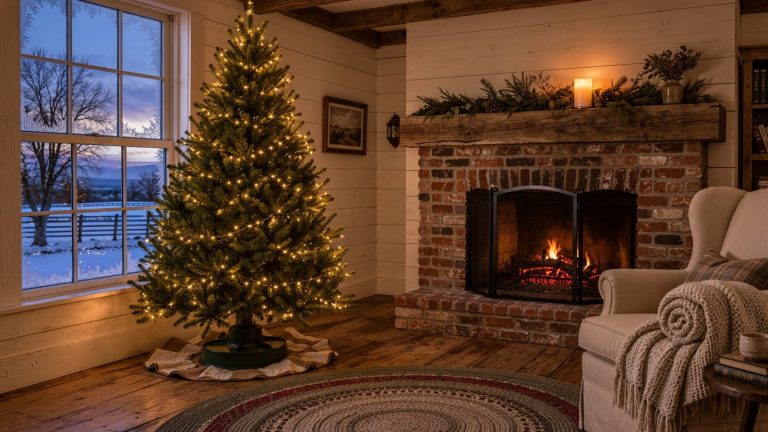
If you burn wood, use a sturdy screen in front of the fireplace to stop sparks. When you clean out the ashes, let them cool, put them in a metal container with a lid, and keep that container outside and well away from the house, the deck and the woodpile. Ashes can stay hot enough to start a fire for a surprisingly long time.
Carbon Monoxide: The Invisible Danger
Carbon monoxide (CO) is a gas you cannot see, smell or taste. It is produced any time fuel is burned, whether by a furnace, gas water heater, fireplace, wood stove, gas range, car engine or portable generator. When CO builds up indoors, it can make people seriously ill or kill them.
The Centers for Disease Control and Prevention (CDC) lists the most common symptoms of CO poisoning as headache, dizziness, weakness, upset stomach, vomiting, chest pain and confusion. Because those symptoms are often described as “flu-like,” people may not realize what is happening. The CDC also warns that people who are sleeping can die from CO poisoning before they ever feel symptoms.
Protect your family from CO
- Install CO alarms. The CDC and the Consumer Product Safety Commission recommend battery-operated or battery-backup CO alarms near every sleeping area, and the CPSC recommends one on every level of the home. Interconnected alarms are best, because when one sounds, they all sound.
- Test and replace them. Check CO alarm batteries when you change your clocks, and replace the alarms on the schedule the manufacturer gives (the CDC notes many need replacing about every five years).
- Never heat your home with a gas oven or stove, and never bring a charcoal grill, camp stove or lantern indoors.
- Never run a car in a closed or attached garage, even with the garage door open.
- Use generators outside only. Winter storms and ice can knock out power for days. If you use a portable generator, never run it inside your home, basement, garage or shed, even with doors and windows open. The CDC says to keep it more than 20 feet from any window, door or vent.
If a CO alarm goes off
Get everyone, including pets, outside into fresh air right away, then call 911 from outside. If someone has symptoms, you can also call Poison Control at 1-800-222-1222. Do not go back inside until emergency responders say it is safe.
Do Not Forget the Smoke Alarms
Working smoke alarms give your family the precious minutes needed to get out if a fire starts. NFPA recommends smoke alarms inside each bedroom, outside each sleeping area and on every level of the home, testing them once a month, and replacing any smoke alarm that is ten years old. That matters most at night. NFPA found that heating fires that start between midnight and 6 a.m. account for a disproportionate share of heating fire deaths, because people are asleep and farther from the door.
Take a few minutes this week to make or review a home escape plan, too. Know two ways out of every room, pick a meeting spot outside, and practice with the kids so everyone knows what to do if an alarm sounds.
A Quick Fall Checklist
- Test every smoke alarm and CO alarm, and replace batteries as needed.
- Check the date on each alarm and replace any that are past their recommended age.
- Schedule a furnace and chimney inspection if you have not had one this year.
- Clear a three-foot zone around every heat source.
- Inspect space heater cords for damage and make sure each heater plugs directly into a wall outlet.
- Set up generators, extension cords and fuel storage now, before a winter storm takes the power out.
- Review your family’s fire escape plan.
The Bottom Line
Most heating fires and CO poisonings are preventable. A few minutes of preparation now, before the coldest nights of the year, can keep your family warm, safe and sleeping soundly all winter. Weather & Wisdom will keep you posted when the first hard freezes and winter storms head toward Hopkinsville and western Kentucky, so you have time to get ready.
Comments
No comments yet. Start the conversation!