
There's a particular kind of quiet that settles over the Mid-South on an October morning. Fog drifts over the pond, the air smells of fallen leaves and the first chill of fall makes the coffee taste better. A few months later, there's a different quiet: the hush of an ice-glazed morning in January. Then come the riotous greens of April, the heavy stillness of an August afternoon and the slow return of autumn.
Our ancestors lived closely tied to these rhythms. They planted, harvested, preserved and rested according to the seasons, because they had to. Today, with climate-controlled homes, year-round grocery stores and glowing screens, it's easy to lose touch with the natural cycle of the year. But many people are rediscovering that living more seasonally can bring calm, health and a deeper sense of belonging.
This isn't about rejecting modern life. It's about paying attention, noticing what each season offers, and letting the rhythms of the year shape our days in gentle, meaningful ways.
Why seasonal living matters
Reconnecting with nature
Spending time outdoors and noticing natural changes, such as the first redbud blossoms, the return of hummingbirds or the turning of the leaves, can help us feel grounded. Research on time spent in nature has linked it with benefits such as reduced stress and improved mood, though the specific effects vary from person to person.
Living with our bodies' rhythms
Our bodies respond to daylight. The length of the day affects our sleep, energy and mood. Getting outside in natural light, especially in the morning, can help regulate our internal clocks. In the shorter days of winter, some people experience lower energy or mood, and a few experience seasonal affective disorder, a form of depression linked to the seasons. Anyone who struggles with persistent low mood should talk with a health care provider.
Building weather awareness
Paying attention to the seasons naturally makes us more aware of the weather. We notice when the humidity is building, when the wind shifts, when the sky looks threatening. That awareness can help keep us safe during the Mid-South's severe weather seasons.
Spring: renewal and alertness
What to notice
Spring in the Mid-South arrives early and enthusiastically. Daffodils pop up in February, followed by Bradford pears, redbuds, dogwoods and azaleas. Trees leaf out in a wave of fresh green. Birds return and begin nesting. Spring peepers and other frogs fill the evenings with song.
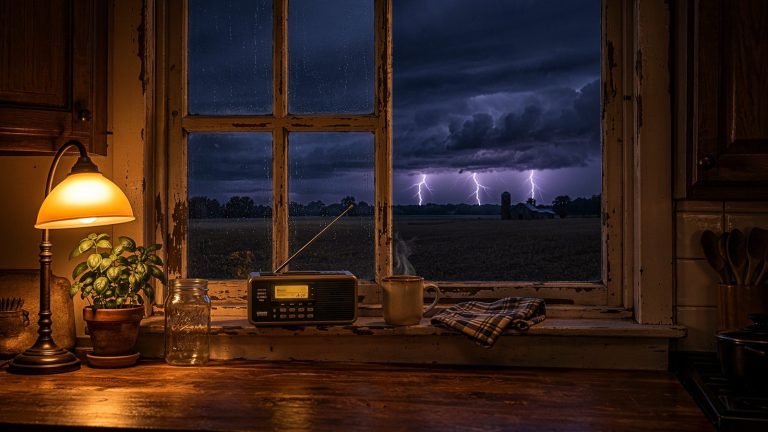
Spring weather is also changeable. Warm spells may be followed by cold snaps that old-timers call "dogwood winter" or "blackberry winter." And spring is the peak of our severe weather season, with thunderstorms, hail and tornadoes.
Seasonal practices
- Start a garden. Even a few pots of herbs or tomatoes on a porch can connect you to the season.
- Take morning walks to notice the changes in trees, flowers and birds.
- Spring clean your home and your emergency kit. Replace batteries, check supplies and review your severe weather plan.
- Learn the sky. Practice identifying cloud types and paying attention to storm forecasts.
- Visit a farmers market for early greens, strawberries and spring vegetables.
Mindful moment
Spring invites us to balance enthusiasm with alertness. Enjoy the warmth and new growth, but keep an eye on the sky. Pausing to check the forecast each morning can become a simple, grounding ritual.
Summer: abundance and slowing down
What to notice
Mid-South summers are long, hot and humid. Dew points climb into the 70s, and afternoon thunderstorms pop up and fade away. Gardens overflow with tomatoes, okra, squash, peppers and peaches. Fireflies light up June evenings. Cicadas and katydids sing through the long nights.
Seasonal practices
- Rise early. Enjoy the cooler morning hours for walks, gardening and outdoor chores.
- Embrace the siesta mindset. Rest or stay indoors during the hottest part of the afternoon.
- Eat with the season. Fresh tomatoes, sweet corn, field peas and watermelon are at their best.
- Preserve the harvest. Canning, freezing and making jam are traditions that connect us to past generations.
- Spend evenings outside. Watch the fireflies, listen to the night sounds and look at the stars.
- Stay hydrated and heat-aware. Know the signs of heat illness and check on neighbors.
Mindful moment
Summer heat encourages us to slow down. Instead of fighting it, we can adapt: move more slowly, rest more often and savor long evenings on the porch.
Fall: harvest, gratitude and reflection
What to notice
For many people, fall is the Mid-South's most beloved season. The first strong cold front brings dry, crisp air and deep blue skies. Leaves turn gold, orange and red, usually peaking from late October into November. Cotton fields turn white, combines roll through the fields and pumpkins appear on porches. Fog often fills river valleys on calm, clear mornings.
Fall weather can also bring a secondary severe weather season, especially in November, as strong storm systems return.
Seasonal practices
- Take a fall drive or hike. Explore state parks, back roads and riverside trails.
- Practice gratitude. The harvest season is a natural time to reflect on what we're thankful for.
- Gather with family and friends. Fall festivals, football games, church homecomings and Thanksgiving meals bring people together.
- Prepare for winter. Check your heating system, insulate pipes, gather winter supplies and review your plan for ice storms and power outages.
- Rake mindfully. Turn yard work into a meditative practice by focusing on the sound of the rake and the smell of the leaves.
Mindful moment
Fall reminds us that change can be beautiful. As the leaves let go, we can reflect on what we want to release and what we want to carry forward.
Winter: rest and resilience
What to notice
Mid-South winters are variable. Some days are mild and sunny; others bring bitter cold, freezing rain or snow. Bare trees reveal the shape of the land, and birds like cardinals and juncos visit feeders. The low winter sun casts long shadows, and starry nights are clear and crisp.
Seasonal practices
- Rest. Winter is a natural time to slow down, sleep a bit more and recharge.
- Seek light. Get outside during daylight hours, open curtains and spend time near windows.
- Cook hearty meals. Soups, stews, cornbread and greens warm body and spirit.
- Read, write and reflect. Long evenings invite journaling, reading and planning for the year ahead.
- Feed the birds. A simple bird feeder can bring color and life to a winter yard.
- Prepare for winter weather. Keep emergency supplies ready for ice storms and power outages, and check on neighbors during cold snaps.
Mindful moment
Winter teaches us that rest is not idleness. Just as the land rests before spring, we can use this season to renew ourselves.
Simple practices for every season
Keep a nature journal
Write down what you notice each day or week: the weather, the first bloom of a flower, the arrival of a bird, the color of the sky. Over time, you'll build your own record of the seasons, much like the almanacs and diaries kept by earlier generations.
Watch the sky
Make a habit of stepping outside each morning and evening to look at the sky. Notice the clouds, the wind and the light. Over time, you'll develop your own sense of how the weather is changing.
Eat seasonally
Shop at farmers markets and choose foods that are in season. Seasonal produce is often fresher and more flavorful, and it connects us to local farmers and the land.
Mark the turning points
Celebrate the solstices, equinoxes and other seasonal markers in your own way. Watch the sunrise on the longest day of the year or light a candle on the longest night.
Limit screen time
Set aside time each day to unplug and be present, whether that means a walk, gardening, reading on the porch or simply sitting quietly outside.
A seasonal calendar for the Mid-South
To help you get started, here's a simple calendar of things to notice and do through the year. Exact timing varies from year to year and from the Delta to the hills, so treat it as a loose guide.
- January and February: Watch for cardinals and winter birds at the feeder, keep winter weather supplies ready and enjoy the first daffodils in late February.
- March and April: Redbuds and dogwoods bloom, gardens get planted and severe weather season peaks. Review your storm plan and weather radio.
- May and June: Strawberries and early vegetables arrive, fireflies appear and humidity begins to build.
- July and August: The hottest, most humid weeks of the year. Rise early, rest in the afternoon and enjoy tomatoes, okra and peaches.
- September and October: The first strong cold front brings crisp air, harvest begins and fall festivals fill the weekends. River fog becomes common on calm mornings.
- November and December: Fall color peaks and fades, a secondary severe weather season can develop, and the holidays invite gathering, gratitude and rest.
The wisdom of the seasons
There's a reason so many religious traditions, poets and philosophers have reflected on the seasons. The rhythm of the year mirrors the rhythms of life: growth and rest, abundance and scarcity, beginnings and endings. Ecclesiastes says there is a season for everything, a time to plant and a time to harvest.
Living by the seasons doesn't require moving to a farm or giving up modern conveniences. It simply asks us to pay attention, to notice the changes around us and to let them shape our days in small but meaningful ways.
In the Mid-South, we're blessed with four distinct seasons, each with its own beauty and challenges. The next time you step outside, take a deep breath, look at the sky and notice what the season is offering. You may find that a little attention to the rhythms of the year brings a deeper sense of calm and connection to the place we call home.

Comments
No comments yet. Start the conversation!