Ask almost anyone who grew up in the Mid-South about summer evenings, and you'll likely hear about the front porch. Rocking chairs, a glass of sweet tea, the creak of the screen door and, more often than not, someone watching the sky. A grandfather might point to a distant thunderhead and say it would miss them to the north. A grandmother might note the smell of rain and send the kids to bring in the laundry. Neighbors would drift over to talk about the weather, the crops and whether it would storm tonight.
Front porch weather watching is one of the South's quiet traditions. It blends observation, conversation, folklore and community. It also laid the groundwork for something remarkable: today's networks of volunteer weather spotters and citizen scientists who help the National Weather Service protect lives. Here's a look at that tradition, how it has evolved, and how to enjoy watching the sky while staying safe.
Why the porch?
Before air conditioning became common, the porch was the coolest place to be on a summer evening. It was also a social hub, a place to greet neighbors, rest after work and keep an eye on the world. Southern homes were often built with deep porches that provided shade and shelter from rain, making them perfect for watching weather unfold.
For farm families, watching the sky wasn't just a pastime. Weather determined when to plant, cut hay, harvest and bring in livestock. A sudden storm could ruin a hay crop or flatten corn. People learned to read the clouds, wind and light with remarkable skill.
Reading the sky from the rocking chair
Watching clouds build
On a summer afternoon, porch watchers often notice puffy cumulus clouds growing taller as the day heats up. When those clouds tower into cauliflower-shaped columns and develop flat, spreading tops, a thunderstorm is forming. The old saying that a storm "is building in the west" reflects the fact that weather in the Mid-South generally moves from west to east.
Feeling the wind
A sudden cool breeze on a hot afternoon often signals an approaching storm's outflow, the rain-cooled air rushing out ahead of it. Porch watchers have long noticed the wind shifting and the temperature dropping before the rain arrives.
Listening to thunder
Counting the seconds between a flash of lightning and the sound of thunder is a time-honored porch tradition. Divide the number of seconds by five to estimate the distance in miles. But remember the modern safety rule: if you can hear thunder, you are close enough to be struck by lightning, and it's time to go inside.
Smelling the rain
The earthy smell before rain, known as petrichor, and the sharp scent of ozone ahead of some storms have been part of porch weather wisdom for generations.
Watching the light
Storms can change the color of the sky. Shades of green, yellow or orange can appear when sunlight passes through heavy clouds, rain and hail at certain angles, especially near sunset. A green sky isn't a reliable sign of a tornado, but it often indicates a strong storm with heavy precipitation.
From the porch to the network
The habit of watching the sky and sharing what you see helped give rise to some of today's most important weather safety programs.
SKYWARN storm spotters
The National Weather Service's SKYWARN program trains volunteers to observe and report severe weather. Spotters learn to identify features such as wall clouds, shelf clouds and rotation, estimate hail size and wind speed, and report what they see to their local NWS office. Their reports provide "ground truth" that radar alone can't, helping forecasters confirm what storms are doing and issue more accurate warnings.
SKYWARN training is free and offered by local National Weather Service offices, often in late winter and early spring before the main severe weather season. Many classes are now available online. Volunteers include emergency managers, firefighters, police officers, amateur radio operators and ordinary citizens with an interest in weather. Many spotters report from home, simply watching the sky from their porch or yard.
Amateur radio
Amateur radio operators, often called ham radio operators, have long played an important role in severe weather spotting and emergency communications. During storms, local nets relay spotter reports to the National Weather Service and emergency managers, and when power and cell service fail, ham radio can remain a reliable lifeline.
Citizen science
Today, anyone can contribute weather observations through citizen science programs:
- CoCoRaHS (the Community Collaborative Rain, Hail and Snow Network) relies on volunteers who measure precipitation daily using a standard rain gauge and report it online. Their data help forecasters, hydrologists, farmers and researchers.
- mPING, an app developed by the National Severe Storms Laboratory, lets people report precipitation type, such as rain, sleet, freezing rain, snow or hail, from their phones. Those reports help researchers improve radar algorithms and forecasts, especially during winter weather when precipitation type is critical.
- The National Weather Service accepts storm reports through its website, social media and phone lines. Reports of hail size, wind damage, flooding and snowfall help forecasters verify warnings.
Watching safely
Porch weather watching is a wonderful tradition, but storms can be dangerous. Here's how to enjoy the sky while staying safe.
Know when to go inside
- Lightning: When thunder roars, go indoors. Porches, even covered ones, are not safe from lightning. Stay inside until 30 minutes after the last thunder.
- Severe thunderstorm warnings: Go inside and stay away from windows. Hail and damaging winds can arrive quickly.
- Tornado warnings: Go immediately to your safe place, the lowest floor in an interior room away from windows. Don't wait to see the tornado.
- Flash flooding: Stay away from flooded creeks and roads.
Keep informed
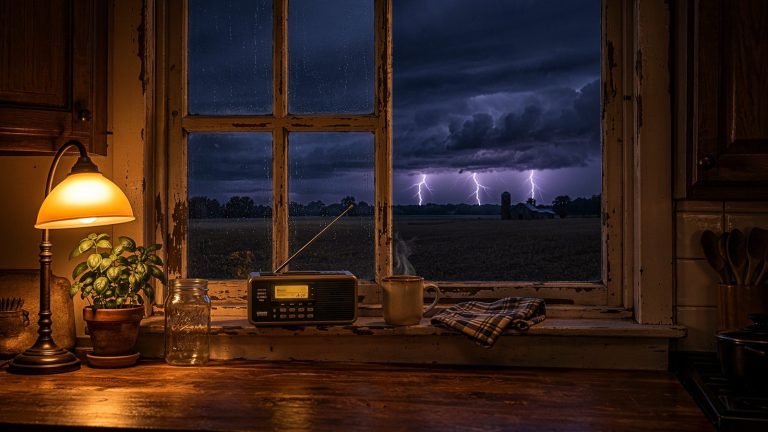
- Keep a weather radio on the porch or nearby, tuned to your local NOAA Weather Radio station.
- Turn on wireless emergency alerts on your phone.
- Check radar and forecasts before settling in for the evening.
Avoid risky behavior
- Don't go storm chasing without training. Driving toward storms puts you at risk from lightning, hail, flooding, falling trees and tornadoes. Many storms in the Mid-South are hidden by rain and trees, making them especially dangerous.
- Don't take risks for photos. Capture storm images from a safe location, and go inside when the storm gets close.
Passing down the tradition
Teaching children
The porch is a perfect place to teach children about weather. Show them how to identify clouds, count the seconds between lightning and thunder, and notice the wind shift. Teach them the difference between watching a storm safely and knowing when it's time to go inside.
Telling stories
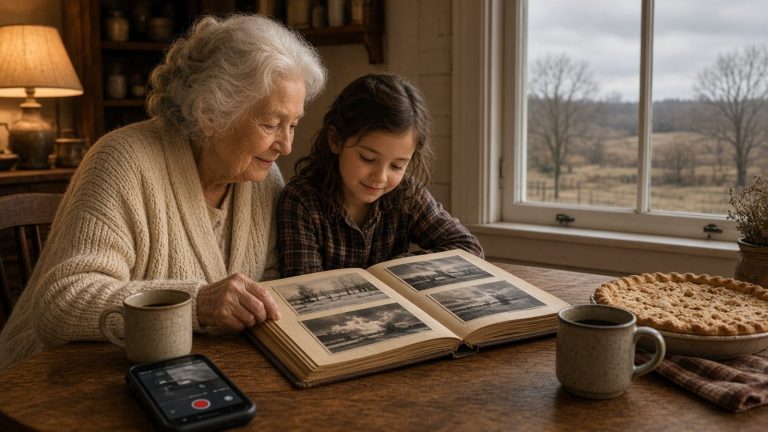
Every Mid-South family has its weather stories: the ice storm that left them without power for a week, the tornado that missed the house by a mile, the summer it didn't rain for weeks, the flood that covered the bottomland. Sharing those stories helps younger generations understand the power of weather and the importance of preparation.
Keeping records
Many porch weather watchers kept notes in a calendar or notebook, recording rainfall, temperatures, first frost and memorable storms. Those personal records are a treasure. Consider starting your own weather journal, or join CoCoRaHS and contribute your observations to science.
Becoming a weather volunteer
If porch weather watching has sparked your curiosity, consider taking the next step and putting your observations to work.
- Take a SKYWARN class. Check your local National Weather Service office's website for spotter training dates. Classes cover storm structure, safety and how to report.
- Join CoCoRaHS. All it takes is a standard rain gauge, a few minutes each morning and an internet connection. Daily rainfall reports from the Mid-South are especially valuable because our rainfall can vary so much over short distances.
- Download mPING. During winter weather, a quick report of sleet or freezing rain at your location can help forecasters understand where the rain-snow-ice line is.
- Report what you see. If you observe hail, wind damage, flooding or a funnel cloud, report it to the National Weather Service when it is safe to do so. Include the time, location and a description.
- Consider amateur radio. Getting a license opens the door to participating in local weather nets and emergency communications.
Each of these turns an old habit of looking up at the sky into a real contribution to community safety.
The porch as a place of community
Front porch weather watching has always been about more than the weather. It's about community. Neighbors watching storms together, checking on one another afterward and sharing what they saw. After severe weather, the same spirit leads people to help clear debris, deliver meals and support those who lost homes.
That spirit is at the heart of the Mid-South. It's present in volunteer spotters who brave storms to report what they see, in amateur radio operators who keep communications open, in volunteers who measure rain in their backyards, and in neighbors who check on older residents during heat waves and ice storms.
Keep watching the sky
In an age of smartphones and radar apps, there's still something special about sitting on the porch and watching weather unfold. It connects us to our grandparents and great-grandparents, who learned to read the sky out of necessity. It helps us notice the beauty and power of nature. And it reminds us of the importance of community.
So pull up a rocking chair, pour a glass of tea and watch the clouds build on a summer afternoon. Count the seconds after the lightning, notice the wind shift and smell the rain coming. Just remember to head inside when thunder roars. The porch will still be there when the storm has passed, ready for the next round of stories.
Comments
No comments yet. Start the conversation!